See all 17 Sustainable Development Goals - SDGs
What is SDG 2 No hunger about?
End hunger, achieve food security and improved nutrition and promote sustainable agriculture.
One in ten people worldwide suffers from hunger and malnutrition. Food prices are soaring in many countries. Wars have triggered food shortages for the world’s poorest people.
This SDG works towards ending hunger and ensuring access to nutritious and sufficient food all year round for all people.
Providing the growing world population with enough food is challenging. This is because of a shrinking rural labour force, degraded soil quality, climate change, food being wasted, scarce water and the growing biofuel market vying for the same commodities.
Business is a critical partner for governments and other stakeholders to design and deliver effective, scalable and practical solutions for secure and sustainable food and agriculture systems.
What can a business do to influence SDG 2?
Business can help tackle these challenges by improving food and agriculture systems. Using sustainable practices and working in partnership with other actors in the agricultural value chain will lead to success.
Access to food can be improved by:
- empowering small farmers
- increasing agricultural productivity and farmers’ livelihoods
- increasing consumers’ awareness
- increasing agricultural investment
- sharing knowledge.
How to make progress with SDG 2
For most businesses, this will involve looking at your supply chain.
- Ask where products come from. How are they produced?
- Establish long-term business relationships that support small-scale producers.
- Invest in sustainable agricultural technology to improve productivity.
- Support genetic diversity of seeds, plants and animals and report on your company’s contribution to biodiversity.
- Foster knowledge, experience and data-sharing among businesses.
- Reduce food waste to increase food supply. A third of produced food ends up as waste.
- Develop highly sustainable sourcing practices, make commodities more traceable and make the agricultural supply chain transparent.
How businesses can benefit
- Uncover new markets
- Improve your licence to operate
Examples
New Zealand meat producer Silver Fern Farms is committed to SDG 2 by enriching people’s lives through work and supporting their local farming communities.
Australian supermarket chain Woolworths is working with Ozharvest, Australia’s leading food rescue organisation.
Multi-national wools and fibres specialist The Schneider Group promotes sustainable sheep farming with their Authentico Integrity Scheme. They also encourage their growers to invest in farming practices that improve biodiversity, increase the soil’s ability to sequester carbon and reduce desertification (their property drying out).
Talk with our expert

Martin Fryer
Head of Strategy & Disclosures
Our SDG expert Martin Fryer has spent his career helping businesses succeed sustainably. His expertise includes running SDG workshops, setting sustainability strategy, targets and KPIs, measuring impact and reporting.
Martin is also an expert in managing carbon emissions, climate-related risk, energy-efficiency and minimising waste. He is a Chartered Environmentalist with an MBA.
You may also be interested in
Sustainability strategy
Confirm a structured, practical plan to make progress on your chosen SDGs. Your stakeholders and your business will thank you!

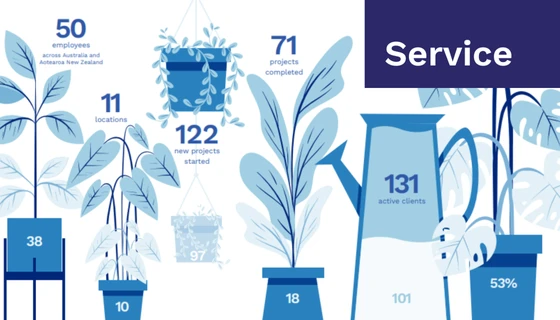
Sustainability reporting
Understand how to use the SDGs to provide context for your sustainability reporting.