See all 17 Sustainable Development Goals - SDGs
What is SDG 10 about?
Reduce inequality within and among countries.
SDG 10 calls for action to reduce inequalities based on income, age, sex, disability, race, ethnicity, origin, religion and economic or other status. Inequalities in income and wealth are severe and widening globally. The richest 1% of the world’s population controls up to 40% of global assets, while the poorest half owns just one per cent.
This goal is strongly linked to other SDGs. If your business is working on SDG 10, then you may also be helping people gain quality education (SDG 4) and good health and wellbeing (SDG 3). You may be providing opportunities for people to enjoy decent work and economic growth in their community (SDG 8). And you may be freeing people up from daily economic concerns to focus on climate action (SDG 13).
What can businesses do to influence SDG 10?
- Investigate your gender pay gap and make sure that you are paying the same for jobs of equal value.
- Investigate whether you can make products and services available for people on low incomes.
- Make your business culturally safe for Indigenous people and accessible to people with disabilities.
- Look at your supply chain to ensure people are being paid fairly.
How can I make progress?
- Develop products and services tailored for less well-off customers.
- Improve access to basic goods and services for people living in poverty.
- Consider paying a living wage.
- Considering investing and creating jobs in regions where jobs are needed.
- Assess your supply chain and identify potential risk of modern slavery.
- Publish a modern slavery statement.
How businesses can benefit
- Find new markets
- Improve licence to operate
- Avoid modern slavery
- Attract and retain talent
- Improve your reputation
Examples
Aotearoa New Zealand national retailer The Warehouse Group has worked hard to make its workplaces (offices, distribution centres, and stores) more accessible for people with physical, sensory, mental and learning disabilities. In doing so, they have made it easier for people with disabilities to gain employment and build their skills and careers.
Australia’s national airline Qantas is a founding member of Supply Nation, an initiative which connects Australian companies and government with businesses owned by Aboriginal and Torres Strait Islander peoples. The airline has set public targets to place contestable spend with indigenous suppliers each year.
Talk with our expert
Martin Fryer
Head of Strategy & Disclosures
Our SDG expert Martin Fryer has spent his career helping businesses succeed sustainably. His expertise includes running SDG workshops, setting sustainability strategy, targets and KPIs, measuring impact and reporting.
Martin is also an expert in managing carbon emissions, climate-related risk, energy-efficiency and minimising waste. He is a Chartered Environmentalist with an MBA.
You may also be interested in
Sustainability strategy
Confirm a structured, practical plan to make progress on your chosen SDGs. Your stakeholders and your business will thank you!

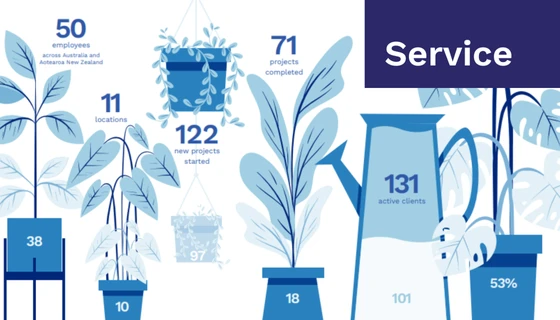
Sustainability reporting
Understand how to use the SDGs to provide context for your sustainability reporting.