See all 17 Sustainable Development Goals - SDGs
What is SDG 1 No poverty about?
End poverty in all its forms everywhere.
Worldwide, almost one in five people lives on less than US$1.25 per day. Poverty can mean no access to food, clean drinking water and health care. Closer to home, it can mean households having to go without the things they need. This can look like living in a cold, damp house, or not having enough nourishing food or adequate clothing for your family.
The goal is to lift billions of people out of poverty. As markets in developing countries grow, the private sector has a greater opportunity to act responsibly and reduce global poverty.
What can a business do to influence SDG 1?
To make progress on SDG 1, businesses need to make sure that people in their supply chain are being paid fairly. Certain groups, including women, people with disabilities, children and indigenous people, face extra challenges. A lot of SDGs are interconnected. For example, if we tackle SDG 1, we also address SDG 5 Gender equality and SDG 10 Reduced inequalities.
Businesses can investigate how they can make a difference through new business models (activities and ways of working), innovative products and/or services.
How to make progress with SDG 1
- Pay a living wage
- Develop products and services specifically for lower-income groups
- Sell products in smaller unit packages for low-income countries
- Consider investing in and creating jobs in regions where jobs are needed
- Assess your supply chain and identify potential risks of modern slavery
- Publish a modern slavery statement
How businesses can benefit
- Uncover new markets
- Improve your licence to operate
- Avoid modern slavery
Examples
Aotearoa New Zealand Bank BNZ has committed to SDG 1 in its sustainability strategy. BNZ aims to disrupt ‘predatory lending’ in New Zealand by delivering $50 million in low- or no-interest loans and advances by 2024.
Danone is committing to SDG 1 by working on sustainable access to nutrition and safe drinking water for low-income communities.
In its ‘the Positive Cup’ sustainability strategy, Nespresso links SDG 1 to its work with the Nespresso AAA Sustainable Quality™ Program. This includes working with more than 140,000 coffee producers in 14 countries. The company supports pension funds, crop-loss insurance and a living income for coffee smallholders.
You may find these helpful
Talk with our expert
Martin Fryer
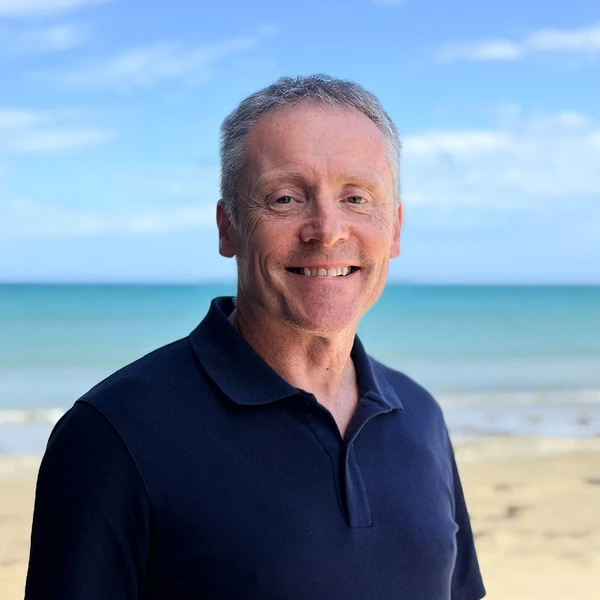
Head of Strategy & Disclosures
Our SDG expert Martin Fryer has spent his career helping businesses succeed sustainably. His expertise includes running SDG workshops, setting sustainability strategy, targets and KPIs, measuring impact and reporting.
Martin is also an expert in managing carbon emissions, climate-related risk, energy-efficiency and minimising waste. He is a Chartered Environmentalist with an MBA.
You may also be interested in
Sustainability strategy
Confirm a structured, practical plan to make progress on your chosen SDGs. Your stakeholders and your business will thank you!
Sustainability reporting
Understand how to use the SDGs to provide context for your sustainability reporting.