Before its new electric arc furnace (EAF) began producing lower-carbon steel, New Zealand Steel published a full suite of environmental product declarations (EPDs). The verified data gave designers, specifiers and customers the confidence to model, compare and specify the products ahead of launch.
The results at a glance
- A full suite of EPDs published before commercial production began.
- Around 40-50% lower product carbon footprints on average.
- Close to 90% lower carbon footprints for selected DCRB® products.
- Verified data to support tenders, specifications and planning for Green Star projects.
The challenge
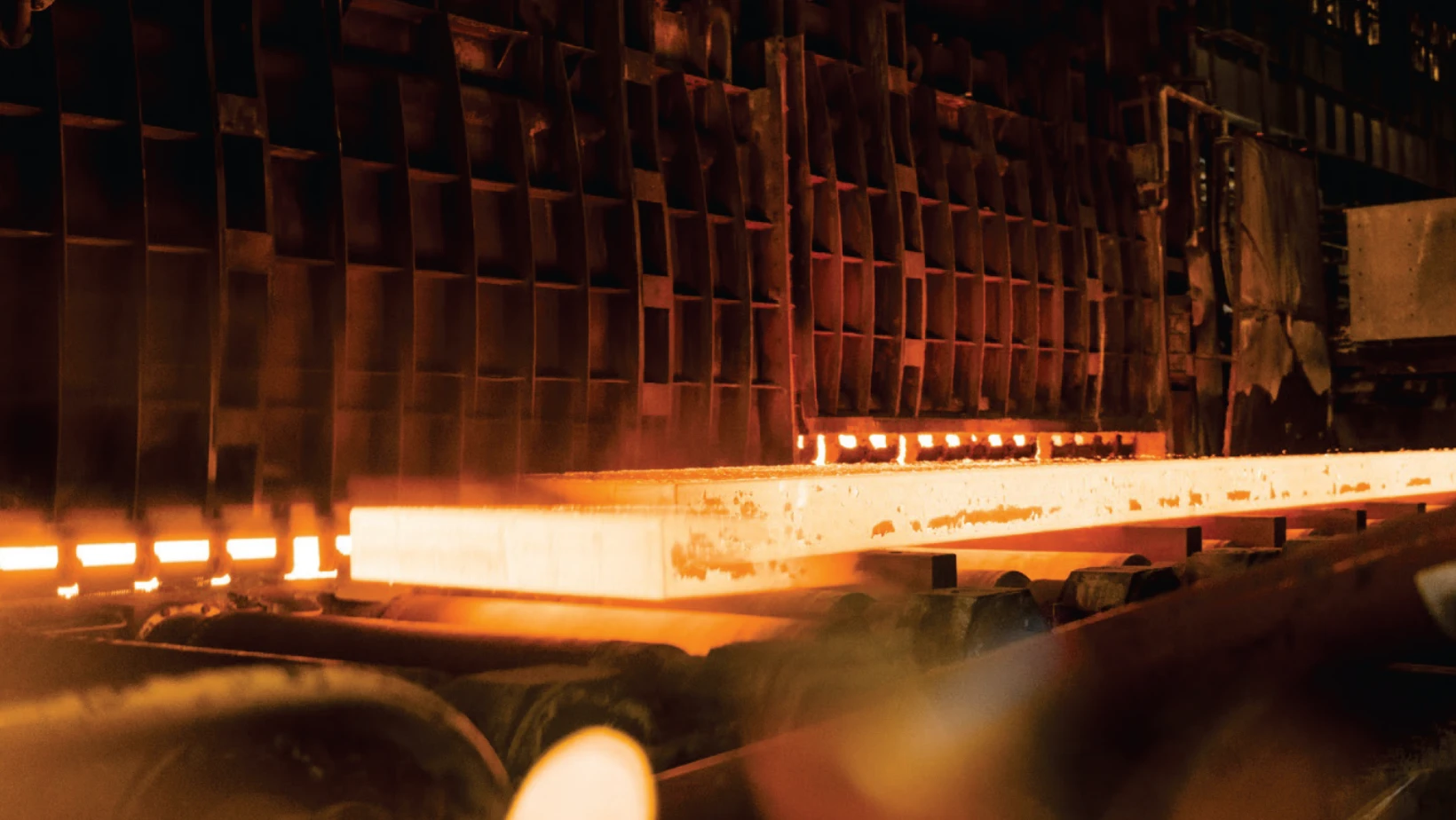
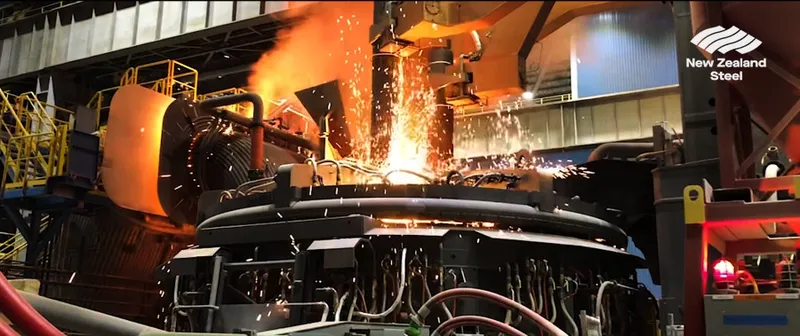
New Zealand Steel’s shift to an electric arc furnace (EAF) at its Glenbrook site is New Zealand’s largest single-site decarbonisation project. The change replaces approximately half of the emissions-intensive ironmaking input with locally sourced steel scrap and electricity from a heavily renewable grid. It is expected to reduce more than 1% of Aotearoa New Zealand’s total emissions in one step.
The process change dramatically lowers the carbon footprint of New Zealand Steel and Pacific Steel products. However, building and infrastructure projects are often designed and specified years before construction. Customers needed robust data before the new products entered commercial production, not a year afterwards.
What we did
We worked with New Zealand Steel to model the future EAF process and develop third-party verified EPDs for products not yet on the market. These EPDs follow ISO 14025 and EN 15804. They use New Zealand Steel’s established LCA models and operational data wherever the process remains unchanged. Engineering calculations and equipment performance data were used for the new EAF and scrap inputs.
The suite covers PACIFIC™ reinforcing steel, plate, COLORSTEEL®, ZINCALUME® and AXXIS® products. It also includes selected DCRB® products, the lowest-carbon products in the suite, made with 100% steel scrap in the electric arc furnace (EAF). The declarations distinguish between measured data from existing operations and modelled data for the new process. They will be updated once a full year of EAF production data is available.
“Working with thinkstep-anz gave us confidence that the results were robust and could stand up to scrutiny. Their team understood the complexity of our steelmaking process and helped turn detailed operational and engineering data into clear, third-party verified EPDs. Having the EPDs ready before launch meant designers, engineers and end clients could plan and specify our lower-carbon products with confidence.”
Israel MacDonald, Sustainability and Market Development Manager, New Zealand Steel
The impact
New Zealand Steel entered the market with verified information ready for customer decisions. The EPDs allow project teams to compare options, model embodied carbon and specify lower-carbon steel with greater confidence. They also help New Zealand Steel remain competitive as carbon data becomes more important in procurement and rating tools.
Lower product footprints: Average reductions of around 40–50%, with reductions of up to nearly 90% for selected DCRB products.
Earlier decisions: Reliable data is available during design, tendering and specification.
Credible claims: Third-party verification replaces assumptions with transparent evidence.
About New Zealand Steel
New Zealand Steel operates the Glenbrook steelworks south of Auckland and is the country’s only producer of flat-rolled steel products. Its steel supports New Zealand’s construction, infrastructure, manufacturing and agriculture sectors.