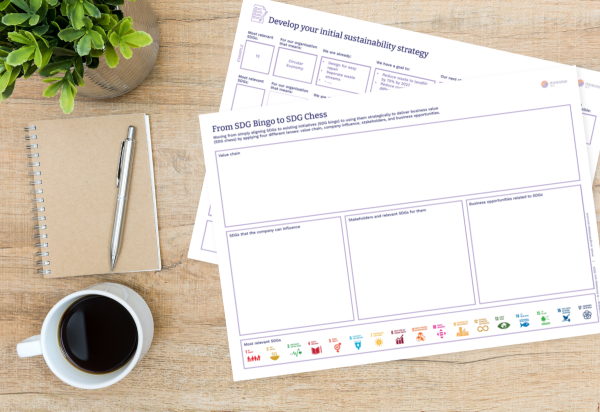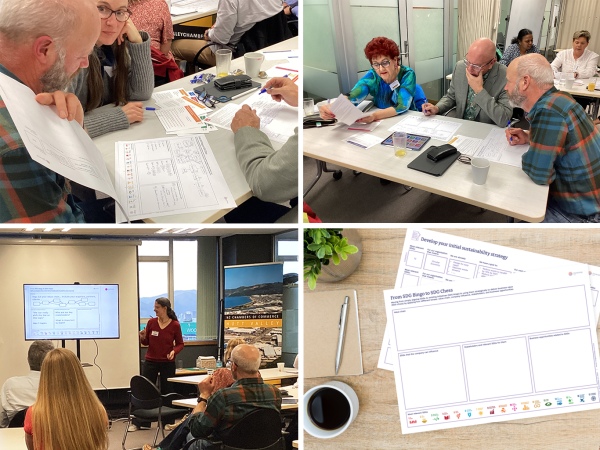
We’re excited to share the highlights from our recent hands-on sustainability workshop led by Barbara Nebel (our CEO) and Elise Brimer (Client Engagement and Business Development Coordinator) at the Hutt Valley Chamber north of Wellington.
This event brought together a diverse group of businesses, including education providers, food producers, investment firms, legal professionals, community boards, and representatives from the Council, all keen to develop their first sustainability action plans.
Four steps to success

Step 1: Prioritise
Participants identified areas where their actions could drive significant change. This focused approach allows businesses to concentrate their resources on a few major initiatives rather than spreading their efforts too thinly.
Barbara and Elise guided attendees through critical questions to help them identify and focus on important areas:
- Impact: understand your business's impact on the environment and people.
- Leverage points: identify areas where you can make the most significant changes.
- Stakeholders’ views: consider the views of your customers, staff, partners, and the local community.
- Risk: recognise the risks of inaction. Will we be cut out of the market if we don’t know what our carbon footprint is?

Step 2: Build on existing initiatives
Many participants were surprised to discover that they were already implementing sustainable practices. Examples included:
- Providing showers for staff who bike to work.
- Paying a living wage and topping up government parental leave.
- Offering pro bono work and paid volunteer time.

Step 3: Plan your next steps
Barbara and Elise emphasised the importance of matching sustainability initiatives to business strategies. Check your current business strategy and plan for the next year in your priority areas. Is there a match? Add in ideas that you have and that you can commit to.
Participants developed measurable goals with timelines, and assigned responsibilities to ensure accountability.

Step 4: Communicate
The steps above provided participants with the structure and content for an initial sustainability report. Next steps involve communicating clearly and openly to share plans and progress to avoid ‘greenhush’ (not talking about what you are doing).
Feedback and takeaways
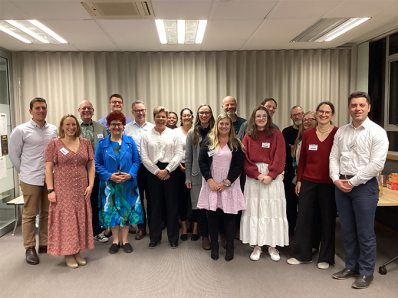
The workshop received overwhelmingly positive feedback. Participants appreciated the practical tools and insights Barbara and Elise provided, as well as the opportunity to network with like-minded professionals. The hands-on approach helped attendees leave with a clear plan and actionable steps to enhance their sustainability efforts.
Takeaways
- Prioritising sustainability efforts can help achieve maximum impact.
- Building on existing initiatives can provide a solid base.
- Planning and linking to business strategies is essential for success.
- Communicating is key to building transparency and trust.
Thanks to everyone who participated and made this workshop a success. Let's continue to have a positive impact together!
More information
Read our Need to Know guide on Sustainable Business Strategy
Contact us
If you are interested in a tailored workshop or more guidance,
please get in touch.