“The circular economy challenges us to rethink our aspirations as consumers and businesses, focusing on sustainable value rather than mere consumption."
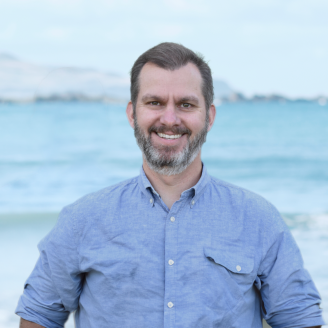
In a recent episode of the “Think Future" podcast by ARKANCE, our Circular Economy Guru, Jim Goddin, dives into the fast-evolving world of the circular economy. Jim shares his extensive knowledge of the circular economy, focusing on the newly published ISO 59000 series of standards he has worked on for the past four years. These standards look set to shape and drive sustainable business practices worldwide.
Here are the key insights and takeaways from this insightful podcast
1. Introducing ISO 59020: A New Framework for Circular Economy Strategies
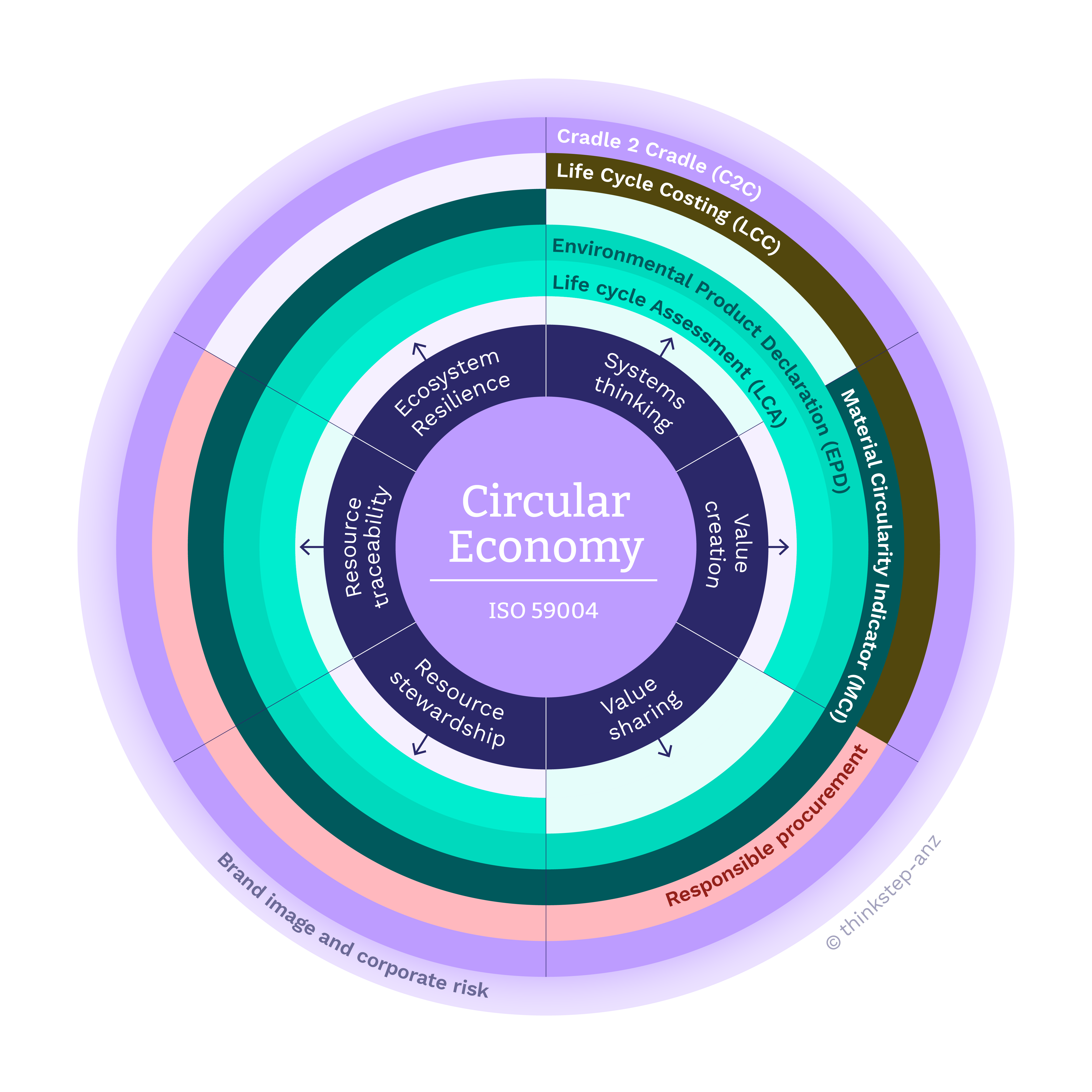
Jim introduces ISO 59020 ( ‘Circular economy — Measuring and assessing circularity performance’ ), a new standard that provides a comprehensive framework for measuring and comparing circular economy strategies. This standard is a game-changer for businesses striving to adopt sustainable practices, offering clear guidelines on quantifying and enhancing circularity in materials and products. It serves as a common reference point for established metrics that adhere to the standard, including the Material Circularity Indicator (MCI) and the Circular Transition Indicators (CTI).

2. Understanding Critical Minerals and Materials
The conversation highlighted the urgency of understanding critical minerals (such as lithium and cobalt) and critical materials (including magnets and aerospace alloys) in modern technologies. Jim underscores the supply risks associated with these resources and the role of circular economy strategies in mitigating them. "Critical minerals and materials are crucial for new technologies, particularly those required for the low carbon transition. Many of these minerals have never been produced in the quantities we’ll now need, making mining the only option. We require a blend of circular economy strategies, both demand-led (durability, reuse, repair) and supply-led (recycling), to mitigate supply risks, ensure sustainable production, and address ethical concerns."
3. Evolution of Circularity Metrics
Jim detailed the development of the Material Circularity Indicator in collaboration with the Ellen MacArthur Foundation. This metric allows for comparing different circular strategies, facilitating better decision-making in design and manufacturing processes. You can download our free MCI calculator here or find it in most major LCA tools.
4. A Holistic Approach to the Circular Economy
The circular economy extends beyond recycling to reuse, remanufacturing, and extending product life. Jim explained how this holistic approach aims to retain value in products and materials while decoupling economic growth from resource consumption and waste production. "Circularity is not just about recycling; it's about reuse, remanufacturing, and extending the life of products to retain manufacturing value and reduce waste."
5. Navigating Implementation Challenges and Opportunities
Transitioning from a linear to a circular business model poses significant challenges, particularly for established companies. However, the circular economy also presents substantial opportunities for risk management, particularly in supply chain disruptions, ethical procurement, and environmental impacts.
6. The Role of Standards in Guiding Businesses
ISO standards like 59020 and 59010 (Circular economy — Guidance on the transition of business models and value networks) provide frameworks for measuring circularity, implementing business model changes, and ensuring continuous improvement. "Success in the circular economy is not about achieving perfect circularity but about continuously improving and targeting areas with the most significant impact first."
7. The Systemic and Contextual Nature of Circular Economy
The circular economy is highly contextual, varying by region, industry and business. Jim stressed the importance of understanding and addressing these contextual differences to implement circular strategies and communicate their value to stakeholders effectively.
Conclusion
This podcast underscores the multifaceted nature of the circular economy and the critical role of standardised metrics in driving sustainable business practices. By adopting a holistic and continuous improvement mindset, businesses can navigate the challenges of transitioning to circular models and unlock significant sustainability and risk management opportunities.
Jim’s conclusion: "The circular economy challenges us to rethink our aspirations as consumers and businesses, focusing on sustainable value rather than mere consumption."
Listen to the podcast here